Volunteer Work: The Key to Developing the Sports Ecosystem
Written by Dr. Hamada Alantably
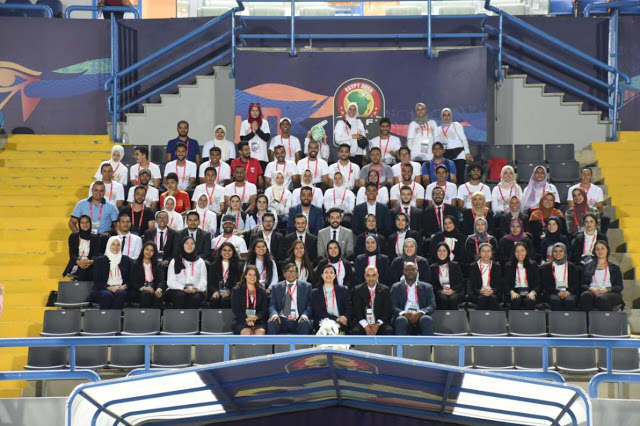
There is no doubt that volunteer work is considered one of the noblest endeavors, imparting high social values to its participants and providing experiences that refine their skills and abilities in handling various situations—particularly practical challenges during major sports events and activities. In every major sports event organized by the state, one of the most luminous highlights is the volunteers: young men and women possessing a high degree of qualification, driven by altruism and a desire to work for the welfare and progress of society without expecting financial rewards or material compensation for their efforts.
We have clear examples in the Africa Cup of Nations and the World Men’s Handball Championship, where the achievements realized were fundamentally driven by young volunteers. Consequently, we must harness this form of engagement to ensure the success of strategic objectives. Forming a dedicated team of volunteers can be the vehicle to reach every corner of the country and provide the maximum possible support for the concept of a “sports society.”
In selecting volunteers, the focus should be on students from faculties of physical education and distinguished athletes whose expertise can be leveraged to build task forces. These teams can drive promotional and advertising campaigns for the sports society initiative, conduct field visits to various regions, and promote participation through personal interactions with individuals in their workplaces or community gatherings. This creates grassroots momentum that urges individuals to join various sports activities and exercise. Additionally, groups of qualified individuals can be trained as athletic coaches to lead the groups participating in these sports activities.
Beyond the roles volunteers play in execution, promotion, and administrative processes to achieve the goal of a sports society, there is another indirect objective achieved for the volunteer groups themselves: refining their experiences and abilities to acquire new skills that properly prepare them for the sports, administrative, or promotional job markets. This contributes directly to preparing and qualifying these young individuals who volunteered to serve noble goals so they can be utilized effectively in the future.
This approach is routinely adopted by numerous sports institutions worldwide, where young people who prove their merit through volunteer work in sports events are positioned at the forefront of managing sports operations in their countries in the future.
By Dr. Hamada Alantably