Hashtag: #Sports_Soft_Power
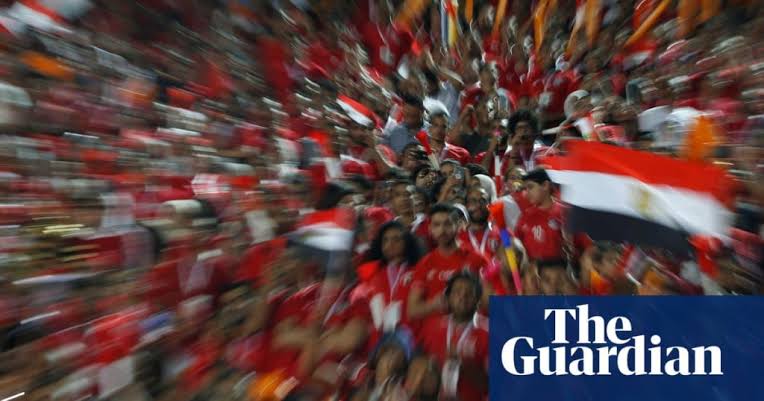
The term “soft power” is one of the concepts that has emerged on the global stage in recent years. It was first coined by Joseph Nye of Harvard University and former Assistant Secretary of Defense in Bill Clinton’s administration, referring to the use of new types of power to achieve political and economic gains in an era where military might will no longer have the upper hand.
In Egypt, the concept of soft power is exclusively associated with art and artists, leaving sports with no role whatsoever—even though many countries utilize sports as a form of soft power. I read a study discussing Qatar’s hosting of the 2022 World Cup and the Qatari government’s use of sports as soft power to promote itself globally. It highlighted how a country small in area and population yet rich in resources and wealth was able to achieve political gains through the soft power of sports. This is the exact approach adopted by the United Arab Emirates in its policy of hosting major sporting events in Dubai and Abu Dhabi, until Dubai became the second-best sports city in the world, with the names of Dubai and Abu Dhabi becoming linked to numerous sporting events, not to mention the investments made by the UAE and Qatar in global sports leagues. This is their soft power, which has yielded numerous political and economic gains for them.
On another note, soft power appeared clearly during the 2018 FIFA World Cup in Russia. Countries like Russia, Croatia, Iceland, and France reaped many benefits through sports as a soft power. Russia emerged as a strong nation with tourism appeal, capable of attracting various nationalities from around the world in a global sports and cultural carnival that reflected Russia’s strength and resilience as a global superpower. Croatia, through its president Kolinda Grabar-Kitarović, proved to the world that a small nation with a population not exceeding 4.171 million could achieve global political gains, capturing the world’s attention with immense admiration and astonishment at a country small in size yet large in human and tourism resources, achieving massive victories through its sports soft power—achievements that major military powers fail to attain.
Similarly, Iceland—with a population of 334,252, whose national football team included doctors, engineers, and university professors, and whose president was present as a fan—earned the respect of the entire world through its investments in people and its sports soft power. Finally, France, the World Cup winner, saw its president utilize the soft power of sports to promote his policies and gain popularity domestically.
Examples of the soft power of sports are countless. However, here in Egypt, unfortunately, the concept of soft power is restricted to art and artists. As for sports, the less said the better; it plays no notable role on any level and has no share in the state’s future plans and interests.
Pardon the length, and in the end, God is our supporter.
Hashtag: #Sports_Soft_Power
By: Dr. Hamada El-Antably